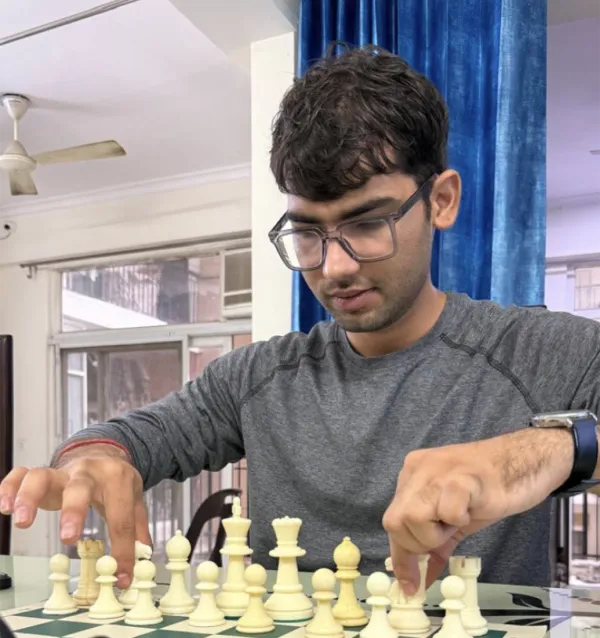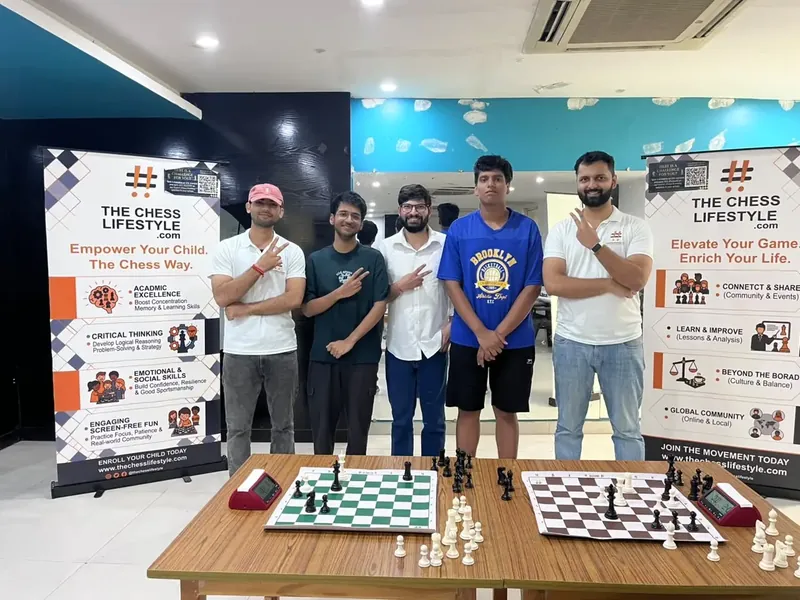
When parents search for "chess classes for kids near me," they're usually overwhelmed by the options. Local chess clubs, school chess programmes, private tutors, online platforms — all claiming to offer the best chess education for children.
How do you choose? What actually matters? And what are the red flags that signal a chess programme that looks good but won't deliver results?
As a FIDE Rated chess coach who has worked with hundreds of children, I want to give you the honest checklist I wish every parent had before enrolling their child.
The 7 Things That Actually Matter in a Chess Programme for Kids
1. The Coach's Qualifications Are Verifiable
This is non-negotiable. Your child's chess coach should have a verifiable FIDE rating — a rating assigned by the international chess federation (FIDE) based on competitive tournament performance.
You can verify any coach's FIDE rating at ratings.fide.com — just search their name or FIDE ID. If a coach claims to be "rated" but can't provide a FIDE ID, be cautious.
A FIDE Rated coach has:
- Competed in official tournaments under controlled conditions
- Demonstrated their chess ability in a measurable, standardised way
- Exposure to high-level competitive chess that they can pass on to students
At TheChessLifestyle, our head coach Chirag Soni's FIDE ID is 25971115 — you can verify it directly.
2. The Curriculum Is Structured and Progressive
A good chess programme for kids isn't just playing games. It follows a structured curriculum that includes:
- Tactics training — Pattern recognition exercises (forks, pins, skewers, discovered attacks)
- Endgame fundamentals — King and pawn endings, rook endgames, basic checkmates
- Opening principles — Centre control, piece development, king safety
- Game analysis — Reviewing the student's own games to identify mistakes
- Psychological training — Managing time pressure, handling wins and losses
Ask any programme you're considering: "What does a typical lesson plan look like over the first three months?"
If they can't answer clearly, they don't have one.
3. Class Size Is Small Enough for Individual Attention
In a group chess class, the maximum effective size is 6–8 students per coach. Beyond that, individual attention becomes impossible and students fall through the cracks.
Online one-on-one coaching — or small group sessions of 2–4 students — is significantly more effective than large group classes for most children.
Ask: "How many students are in each class?" and "How much direct feedback does my child receive per session?"
4. The Programme Tracks Progress and Provides Parent Updates
How will you know if your child is improving? A serious chess programme should:
- Set measurable goals at the start (e.g., "reach a 600 rating within 3 months")
- Provide regular progress updates to parents
- Adjust the curriculum based on the student's development
Monthly check-ins, game analysis reports, or even simple rating tracking on Chess.com give you visibility into your child's progress.
5. Trial Class Is Available Before Commitment
Any reputable chess programme for children should offer a trial class before you commit to a monthly plan. This lets you:
- See how the coach interacts with your child
- Assess whether your child enjoys the experience
- Evaluate the curriculum and teaching quality
Walk away from any programme that requires a multi-month commitment with no trial period.
6. The Coach Understands Child Psychology, Not Just Chess
A strong chess player and a good children's chess coach are very different things. The best children's coaches know:
- How to keep a 7-year-old engaged for a full 45-minute session
- When to push a child and when to back off
- How to teach failure gracefully (losing is a fundamental part of chess)
- How to adapt explanations for different ages and learning styles
Watch the first session carefully: is your child engaged and happy? Are they asking questions? Are they eager to play? These are signs of a coach who understands children.
7. Online Classes Are Fully Interactive, Not Pre-Recorded Videos
Many platforms sell "online chess classes" that are actually just pre-recorded video lessons. These have value for self-study but are not the same as live instruction.
True online chess coaching involves:
- Real-time interaction with a coach via video call
- Live position analysis on an interactive chess board
- Immediate feedback on the student's moves and thinking
- Homework and follow-up between sessions
Ask: "Are sessions live with a real coach, or pre-recorded?"
Red Flags to Watch Out For
- Coach cannot provide a FIDE ID
- No trial class available
- More than 10 students per coach in a group class
- No structured curriculum — just "playing games"
- No parent feedback or progress tracking
- Excessively long contract commitments upfront
Why Online Chess Classes Are Often Better Than Local Options
For most families, online chess classes from a qualified FIDE Rated coach offer significant advantages over local alternatives:
- Higher quality coaches — You're not limited to whoever happens to be local
- Flexible scheduling — Morning, evening, and weekend slots to fit school and activity schedules
- No travel time — Sessions happen at home, saving hours each week
- Consistent instruction — The same coach every session, building a real relationship with your child
- Global community — Your child can participate in online tournaments and clubs worldwide
At TheChessLifestyle, we offer online chess classes specifically designed for children — starting from complete beginners aged 5 upward. Our FIDE Rated coaches specialise in children's instruction, and every lesson is live, interactive, and fully customised to your child's level.
Book a Free Trial Class Today
Not sure if structured online chess coaching is right for your child? Book our free 45-minute trial class and see for yourself.
No credit card. No commitment. No sales pressure.
Just a high-quality session with our FIDE Rated coach — and at the end, an honest assessment of your child's level and a personalised recommendation for next steps.